How to build remote work culture
More than half of employers now offer remote work. Yet over a third are actively pulling people back to the office, citing drops in productivity and culture. The problem isn’t location. It’s design. Most companies are still running office-era systems in a work model that no longer has an office.
Remote work has broken most of the old playbook for how company culture works.
Culture now lives or dies by what you design on purpose. Here are 21 ideas to help you do exactly that.
1. Show the expectations as part of the hiring process
Getting remote culture right starts with hiring people who genuinely fit the role.
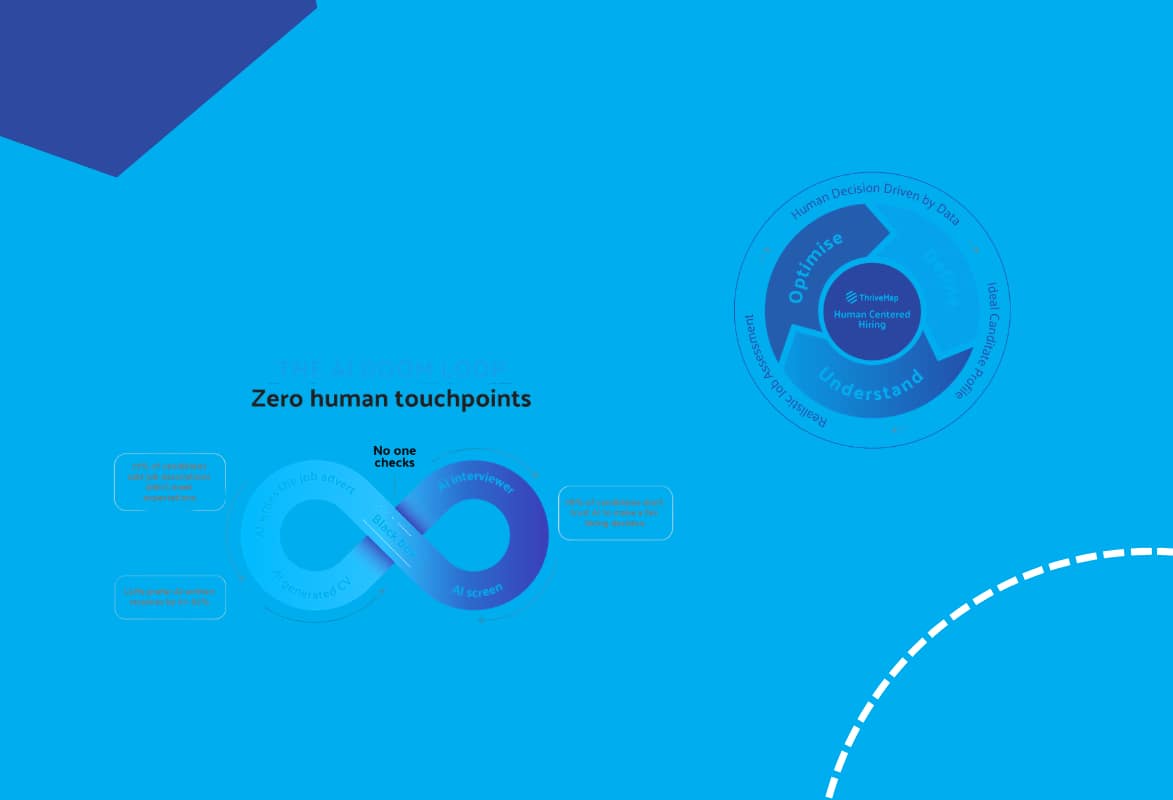
Realistic Job Assessments (RJAs) let candidates experience the real pace, trade-offs, and expectations before they accept. With over half of early leavers citing “the role wasn’t what I expected,” RJAs close the expectation gap at the point of hire. The result is a 30 – 55% drop in attrition as new starters understand your culture, know what the job actually involves, and commit with eyes open.
2. Make emails visible by default
In an office, you overhear decisions or can quickly understand what’s happening. Remotely, you don’t.
That’s why companies like Stripe make large parts of their internal email visible. It reduces private context, cuts down repeated questions, and stops decisions living in individual inboxes. When people can see what’s being discussed and decided, work moves faster and with fewer misunderstandings.
3. Salary transparency builds trust and fairness
Transparency around pay reduces anxiety and improves retention.
Clear salary visibility helps managers make fair adjustments and removes the speculation that often builds quietly in distributed teams. Research from organisations that publish salary bands or full salary data shows higher trust and lower perceived bias. Some companies even publish salaries publicly along with their pay formulas. Here’s Buffer’s open salary calculator.
4. Weekly Wins Learnings Next builds momentum without meetings
A simple rhythm creates shared progress and alignment.
A short weekly update where everyone shares wins, learnings, and priorities makes work visible without adding meetings. Wins highlight progress that might otherwise go unnoticed. Learnings encourage iteration. What is next creates alignment across the team. Over time this becomes a shared record of momentum and direction.
5. Local flexibility creates connection without pressure
Remote teams thrive when people have choice over how they connect.
Supporting access to remote friendly cafes or coworking spaces gives people the option to work around others without forcing social interaction. A small monthly allowance can increase wellbeing, focus, and motivation. Studies consistently show that autonomy is one of the strongest drivers of engagement in remote teams.
6. Regular culture check ins surface real improvement opportunities
Culture improves fastest when feedback is simple and visible.
Short written check ins about where work flows well and where it breaks give everyone a voice and remove performance pressure. Sharing what you learn and acting on a few themes builds trust quickly. Culture shifts when people see feedback turn into action. You can use a tool such as Miro to map your processes.
7. Environmental impact visibility reinforces purpose
Remote work delivers measurable environmental benefits.
Fewer commutes and reduced office usage lowers GHG emissions by 30%. Publishing simple estimates of carbon savings helps teams see the wider impact of how they work.
8. Reclaimed time improves wellbeing and focus
In a similar vein, remote work also gives people back hours each week that they would have spent likely sat in traffic or on crowded public transport.
Occasionally sharing how that time is used, whether for family, exercise, thinking, or rest, reinforces pride in a remote culture. Research shows that reduced commute time correlates with higher job satisfaction and lower stress. Recognising, sharing and celebrating the big “why” internally builds a strong culture and reinforces the company culture.
9. Clear processes reduce friction and scale better
Remote teams perform best when work is documented and owned.
Borrowing principles from standards like ISO 9001 encourages clarity around ownership, decisions, and continuous improvement. Teams with explicit processes make fewer assumptions, revisit decisions less often, and scale with less chaos. Certification is optional. Discipline is not.
10. Offer a home-office spring clean
Some companies are even extending employee benefits into the home. Services like Wecasa, which provides on-demand home cleaning and domestic support, are being used as part of lifestyle stipends for remote and hybrid teams.
A tidy environment reduces cognitive load, helping employees focus, make clearer decisions, and conserve mental energy for their actual work rather than background household stress.
11. Build a shared calendar
A shared, opt in hub for benefits, financial planning windows, and key deadlines means fewer “oh no, that was today” moments. Instead of juggling dates, forms, and half remembered tasks in their heads, people get gentle prompts and one place to find what actually matters.
Social media can bring remote teams together, but only if people know what’s fair game to share and what’s not. Without guidance, most people either overshare or go silent.
A simple, shared policy page in a tool like Notion gives everyone one place to check the rules, grab examples, and post with confidence.
13. Bring your pet to work day
Giving people a playful reason to share something that isn’t a spreadsheet or a status update lightens the mood and reminds everyone there are real lives on the other side of the screen.
14. Clear response expectations protect focus
Have a clear process for communication expectations, especially around out-of-office and holiday hours.
Remote work blurs the lines between “on” and “off.” Without agreed norms, some people feel pressured to respond instantly, others wonder if it’s even okay to check in at all. That uncertainty is a hidden source of stress.
Set simple rules like:
- When it’s okay to message after hours
- Which channels are for urgent issues only
- What “reply expected” really means
A shared, structured place for this makes all the difference. Tools like Slack and Teams with its status and notification settings.
Clear expectations mean fewer guess-the-unwritten-rule moments and more mental space to actually do work.
15. Strong remote meetings save time and energy
Don’t assume people know how to run virtual teams, or virtual meetings.
Running a good meeting in a room is one thing. Running one on a screen, with cameras off, lag, side chats, and half the group multitasking, is much harder. Without training, even great managers fall into long monologues, no-agenda calls, and meetings that drain energy instead of creating momentum.
Treat it as a skill, not a given.
Platforms like LinkedIn Learning offer short, practical courses on leading effective virtual meetings and remote teams, or there are specific training courses so people learn how to structure, facilitate, and actually get outcomes from time on a call.
16. Measure what matters
The strongest teams do not measure how busy they are. They own a result. A clear KPI or OKR turns work from a to do list into a shared goal. Instead of counting tasks completed, teams track the impact they are responsible for moving.
A practical place to start is the OKR framework, popularised by Google and broken down in Measure What Matters by John Doerr. It gives teams a simple way to define what success looks like, and how they will prove they are getting closer to it.
Teams that focus on results rather than busyness thrive. Use Weekdone or Perdoo for OKRs to keep everyone aligned on outcomes and celebrate progress in a transparent, structured way.
17. Shared playlists
Music binds people. A shared playlist on Spotify Collaborative playlists makes culture feel alive instead of just functional.
18. Micro-rituals that aren’t meetings
Tiny shared moments beat big, rare ones. Tools like Donut for Slack randomly pairs people for casual chats or coffee-break conversations. These small human interactions over time build trust and belonging better than monthly all-hands.
19. Random acts of care
Small, unpredictable perks make big impressions. Tools like Caroo send curated care boxes to remote folks (snacks, plants, fun gear). These create delight and a sense of being seen, not just managed.
20. Make continuous professional development an explicit part of the working week
If learning only happens outside working hours, it quietly becomes a personal hobby instead of a business priority. The strongest teams protect time for development, just like they protect time for meetings and delivery.
Platforms like LinkedIn Learning or Coursera for Business help formalise this, with structured learning paths and visibility for managers. When growth is scheduled, not optional, skills compound and performance follows.
21. Let them have Fika
Borrowed from Swedish work culture, Fika is a built in pause in the day to step away, grab a coffee, and actually talk. Not a meeting. Not a performance. Just a moment to reset. Creating a shared break rhythm gives people space to breathe, connect, and come back with clearer heads. Sometimes the most productive thing in the day is stopping for ten minutes.
Remote culture does not emerge on its own. It is shaped, reinforced, and tested every day by the systems you build, the behaviours you reward, and the expectations you make explicit. The strongest remote teams are not the ones with the most perks. They are the ones where people understand the job, the standards, and the reality of how work actually gets done.
At ThriveMap, we believe culture starts long before day one. That is why we focus on helping organisations show the real job, not just describe it. When candidates experience the pace, trade offs, and expectations upfront, they join with clarity rather than assumptions.
Because the most sustainable remote cultures are not built on guesswork. They are built on alignment.