As the new UK National Hiring Strategy highlights, poor hiring decisions come at a significant cost.
The strategy estimates that poor hiring decisions cost the UK economy £14.4 billion each year. Unemployment drains a further £61 billion, while inefficient recruitment processes and unfilled vacancies add nearly £150 million more.
But the challenge facing employers isn’t simply about cutting time to hire, or filling vacancies faster.
Early attrition sits at the centre of the problem. When candidates leave roles shortly after joining, organisations are forced back into the hiring cycle again — draining recruiter time, increasing costs and leaving teams understaffed.
The real challenge is not just filling roles. It’s getting the right people into the right roles in the first place.
That starts with better hiring processes.
With around two thirds of organisations now using some form of pre-hire assessment, understanding how these tools are actually working has never been more important. At the same time, ThriveMap CEO Christopher Platts has recently stepped into the role of Chair of the Standards Committee at the Association of RecTech Providers (ARTP), helping to shape emerging standards for responsible recruitment technology.
If assessment technology is becoming a core part of hiring, the question becomes clear:
What are candidates actually experiencing — and are these tools helping organisations hire better?
To answer that, we commissioned OnePoll, an independent research organisation, to conduct a nationally representative survey of 1,000 UK candidates about their experiences of modern hiring.
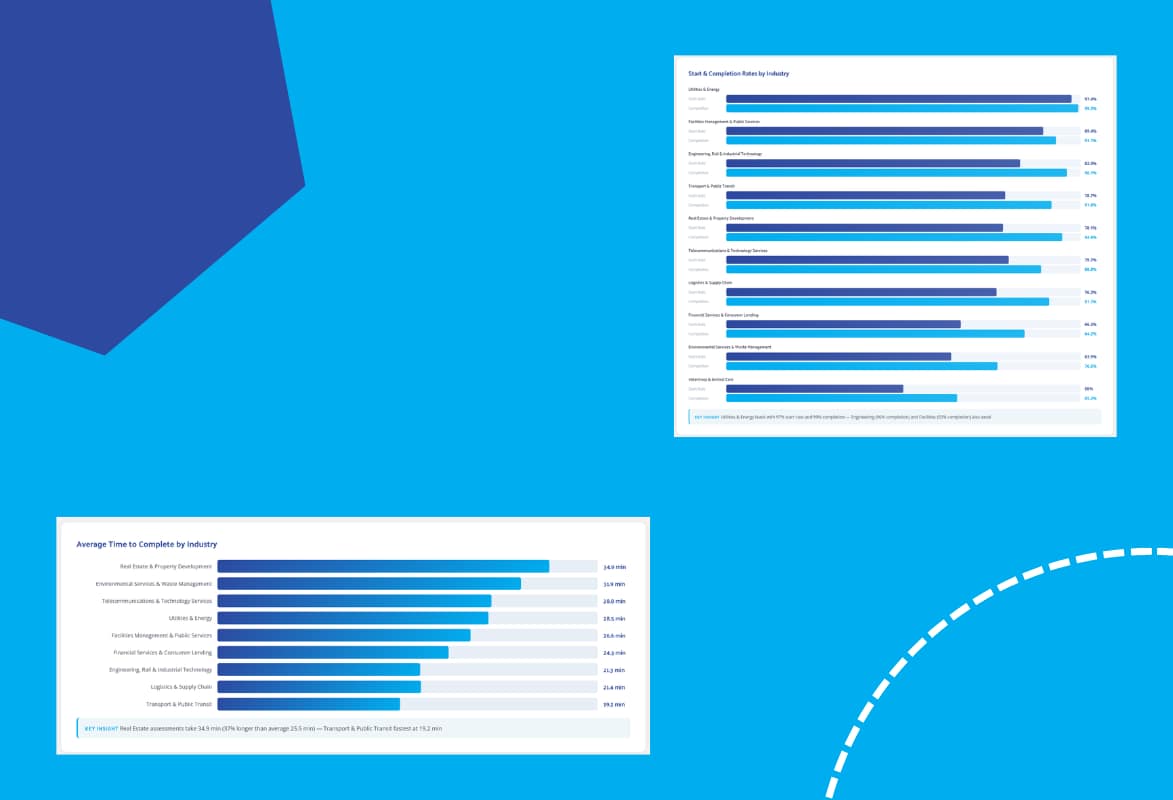
Alongside this, we gathered insights from hundreds of Talent Acquisition leaders and analysed behavioural data from more than 200,000 real candidate assessment journeys.
Taken together, this provides one of the clearest pictures yet of how hiring assessments are being experienced today.
Several themes emerge consistently from the data:
- 72% of UK workers say they’ve experienced “job catfishing” — where the reality of a role differs from how it was presented during hiring.
- Just 1% say nothing more could have helped them understand the role before accepting it.
- Talent Acquisition leaders say quality of hire is their top priority — yet 66% of candidates say they have left a role due to a mismatch in expectations.
- 22% of candidates say they are now using AI tools during assessments — yet 49% believe AI-led candidate screening is unfair.
- 82% say they would feel more confident accepting a role after completing a realistic work sample, highlighting the growing importance of assessment-led transparency in hiring.
Taken together, the findings point to a clear theme: expectation alignment sits at the heart of effective hiring.
You can explore the full findings in the State of the Assessment Market Report 2026 here:
https://thrivemap.io/s/state-of-assessment-market-report-2026