How to avoid unconscious bias with skills-based testing
5 minute read
Posted by Emily Hill on 18 December 2023
Unconscious bias isn’t always loud — it often hides inside good intentions. It lives in the assumptions behind a “gut feeling”, in the comfort of a familiar background, or in the small design choices that decide who gets seen and who gets sidelined.
The paradox is this: even when organisations move to skills-based testing to create a fairer process, bias can quietly rebuild itself through the data, design, and decisions that underpin those tests.
A skills-based approach isn’t bias-proof — but it can be bias-resistant, if it’s built with rigour, transparency, and continuous review. The goal isn’t perfection; it’s progress.
This article explores how to design and use skills-based assessments that don’t just measure ability, but actively reduce bias — from how you define the skills that matter to how you interpret the results.
What is unconscious bias?
Operating beneath our awareness, unconscious bias shapes decisions without our realisation. Rooted in implicit preferences and stereotypes, it influences decision-making without conscious awareness. These biases, spanning factors like race and gender, affect hiring decisions, promotions, and workplace interactions.
Where bias still creeps in — even with skills-based testing
No assessment is completely immune to bias. Even objective tests can unintentionally disadvantage certain groups if design and delivery aren’t carefully managed.
Common pitfalls include:
Language and cultural bias – Subtle wording or references that assume shared experiences or cultural norms.
Access and technology bias – Candidates with limited digital access or neurodiverse needs may struggle with time-pressured online tests.
Scoring bias – Human reviewers may interpret subjective answers differently without clear rubrics or calibration.
Data bias in AI tools – Automated scoring algorithms trained on historical hiring data can replicate existing inequities.
Acknowledging these risks is the first step to managing them. The goal isn’t to eliminate bias entirely — that’s impossible — but to make it measurable, visible, and continuously reduced over time.
4 ways skills-based testing helps to avoid unconscious bias
1. Rethink CV screening
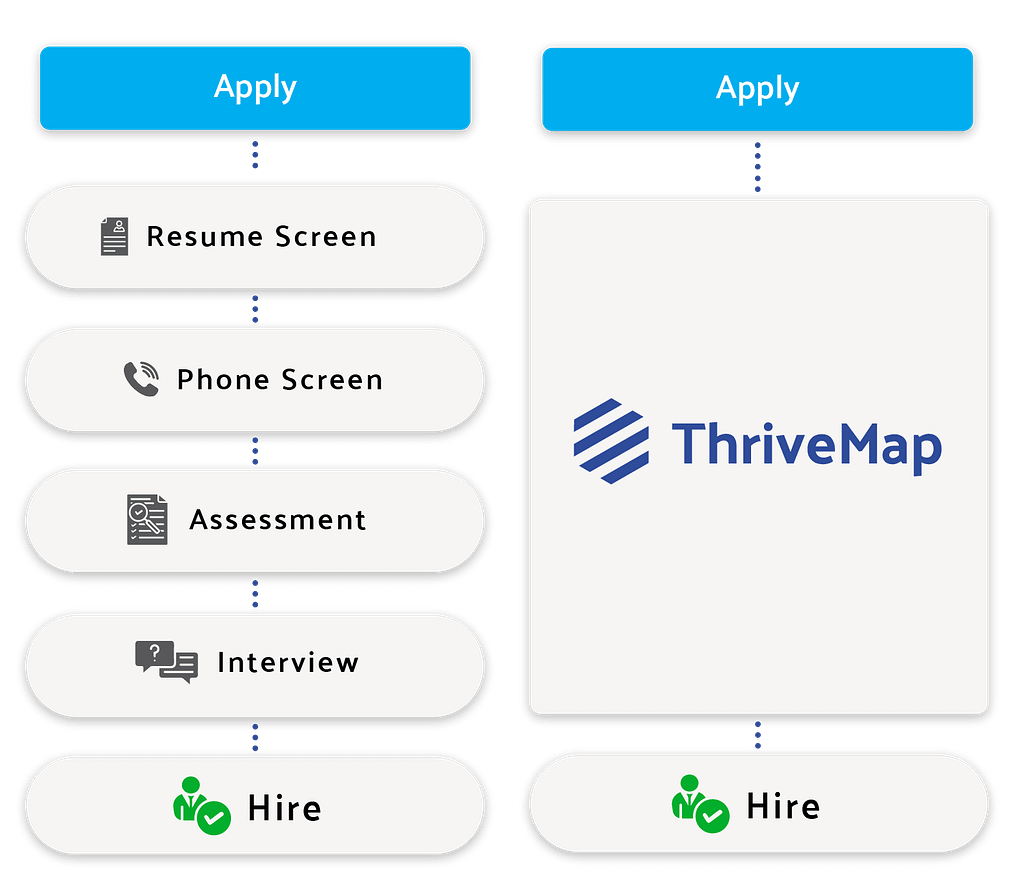
Skills-based testing can help avoid unconscious bias by eliminating CV screening. This strategic move aims to circumvent bias influenced by factors such as background, education, and experience. There are inherent limitations of relying on CVs, particularly in the assessment of essential skills for entry-level roles.
Beyond mitigating bias, shifting away from relying on CV screening also addresses a practical concern—CV screening often consumes excessive amounts of time for the recruiting team. By bypassing this traditional method, recruiters not only enhance the fairness of their evaluations but also streamline the hiring process, ensuring a more efficient and effective approach to candidate assessment.
2. Conduct job analysis
In the quest to mitigate unconscious bias in the hiring process, a pivotal step involves defining the actual skills needed for a role through job analysis.
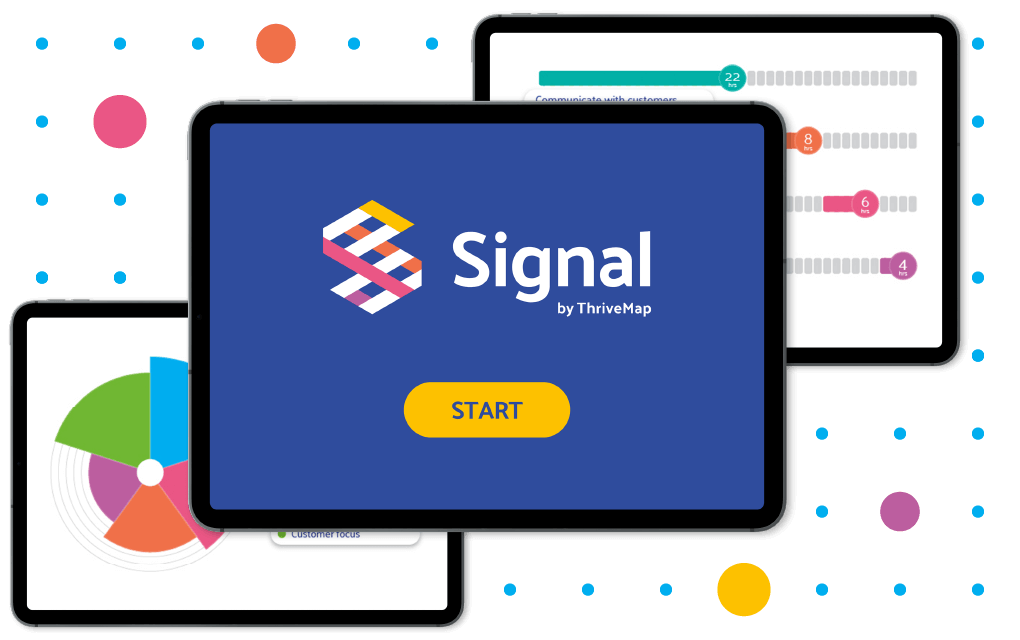
Leveraging tools like Signal, recruiters can seamlessly survey current employees, ensuring a nuanced and accurate understanding of the skills necessary for the job. By aligning the skills sought with those genuinely required, this approach not only ensures the recruitment of candidates with the right skills but also enhances accuracy and consistency in the hiring process.
This strategic use of job analysis becomes an invaluable tool in promoting fairness and objectivity, steering the recruitment process away from the subtle influences of unconscious bias.
Harnessing the power of Realistic Job Assessments is a strategic move aimed at reducing unconscious bias in the recruitment process. ThriveMap’s assessments offer a unique day-in-the-life perspective, evaluating candidates based on the actual skills crucial for the role. By immersing candidates in realistic scenarios, these assessments provide a fair and unbiased evaluation of their abilities, minimising the influence of preconceived notions.
Additionally, the accompanying analytics tool adds an extra layer of objectivity, simplifying the selection process by pinpointing candidates whose skills align most closely with the job requirements. This approach not only ensures a more accurate assessment but also contributes to a more equitable and bias-free hiring process.
Explore the transformative impact of Realistic Job Assessments at https://thrivemap.io/.
4. Navigate the ‘Black Box’:
If you’re currently using AI or another type of assessment, exercise caution with tools that use ‘black box’ data to automate hiring decisions, as they may inadvertently perpetuate bias.
Regular audits become essential to uphold fairness and prevent discrimination, particularly when relying on data from successful candidates that might not accurately represent the broader population. This commitment to transparency and accountability ensures that the assessment tools used in the hiring process are continually evaluated for bias, contributing to a more equitable and unbiased recruitment environment. Read more on this here: thrivemap.io/does-your-pre-hire-assessment-tool-require-a-bias-audit-aedt/
Mitigating unconscious bias in recruitment is not just a moral imperative but a strategic move toward building a workforce that is representative and inclusive. This journey requires a meticulous examination and transformation of each hiring stage, with skills-based testing emerging as a cornerstone in achieving a bias-free recruitment process.
For best practices to skills-based recruitment, access ThriveMap’s high-volume recruitment playbook. The playbook includes a step-by-step guide to planning, building and designing a best practice workflow for common high-volume roles such as contact centre recruitment, graduates, retails, and hospitality hiring. Access it here: thrivemap.io/high-volume-recruitment-strategy-playbook/
Subscribe for insights, debunks and what amounts to a free, up-to-date recruitment toolkit.
About ThriveMap
ThriveMap creates customised assessments for high volume roles, which take candidates through an online “day in the life” experience of work in your company. Our assessments have been proven to reduce staff turnover, reduce time to hire, and improve quality of hire.
Not sure what type of assessment is right for your business? Read our guide.
Other articles you might be interested in
Principles and best practices for pre hire assessment design
A pre hire assessment can look sophisticated, feel engaging and process thousands of candidates without measuring anything especially useful. The quality of an assessment is not determined by how impressive the technology appears or how many question formats it contains. It depends on whether the assessment measures capabilities that genuinely matter in the job, produces […]
The AI Doom Loop: Why automated hiring is screening out the people you actually want
Job applications grew four times faster than job openings in the first half of 2024 alone, and that gap has only widened since. Gartner projects that by 2028, one in four job candidates globally will be fake: AI-generated profiles with fabricated resumes, cloned voices, and deepfaked video sitting through interviews that were never a real […]
Want to assess attention to detail in your hiring process? Here’s how to ensure you hire the right person
Attention to detail is one of the most commonly assessed skills in recruitment, and for good reason. In many roles, the ability to spot errors, follow processes and work accurately has a direct impact on quality, compliance and customer outcomes. So it makes sense that employers invest in attention to detail tests. The problem is […]